
Child Proofing From Lead Exposure
Pricing
| XRF LEAD PAINT TESTING APT UNIT 1 BEDROOM | $450 |
| EACH ADDITIONAL BEDROOM | $50 |
| TOWNHOUSES AND DUPLEXES PER FLOOR | $500 |
| LABORATORY TESTED WATER SAMPLE | $125 |
CHILDHOOD EXPOSURE TO LEAD CAN HAVE LONG TERM EFFECTS
- Damage to the brain and nervous system
- Slowed growth and development
- Learning and behavior problems
- Hearing and speech problems
Sources of Lead Exposure:
Lead in Paint
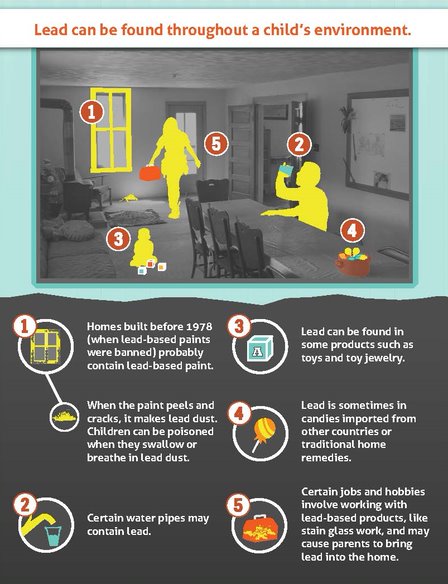
If your home was built before the federal ban in 1978, it is likely to contain lead paint. As paint deteriorates lead particles can be released into the living space creating a risk of lead exposure. We use XRF testing which is the industry standard and the only method accepted by the NYC DOB as well as HUD. XRF testing detects the presence of lead below existing layers of paint which can become airborne as deterioration occurs or surfaces are disturbed by friction, impact, heat, as well as construction. Our EPA certified lead paint inspectors help you ensure your home is safe from the hazards of lead paint and your family is safe.

Lead in Water
Homes built before the city’s 1961 ban on lead service lines and the 1987 ban on lead solder are most at risk. This alarming threat of lead poisoning in our drinking water raises public health concerns, especially for children. We provide Certified Lab water sample testing to determine the presence of lead in your homes water supply to ensure that your family is safe.

Drinking Water
Lead can enter drinking water through corrosion of plumbing materials, especially where the water has high acidity or low mineral content that corrodes pipes and fixtures. Homes built before 1986 are more likely to have lead pipes, fixtures and solder.
Older Homes
If your home was built before 1978, it is more likely to have lead-based paint. In 1978, the federal government banned consumer uses of Lead-based paint, but it is still present in millions of homes, normally under layers of newer paint. Lead-based paint may also be a hazard when found on surfaces that children can chew or that get a lot of wear-and-tear, such as:
- Windows and window sills
- Doors and door frames
- Stairs, railings, banisters, and porches
- Radiators and heat pipe risers
THE TOXIC HISTORY OF LEAD IN AMERICA
The 'gift of God' that has poisoned American kids for 100 years:
Crime of the Century: The Failure to Prevent the Lead Pandemic:
US Lead Poisoning -- Documentary (2017):
THE IMPORTANCE OF CHILDHOOD BLOOD LEAD TESTING
The American Academy of Pediatrics recommends screening for lead exposure at all checkups for kids between 6 months and 6 years of age to determine if blood tests are needed.
- A blood lead test is the best way to find out if a child has lead poisoning.
- A child with lead poisoning may not have visible signs or symptoms.
- Parents should talk to their child’s healthcare provider about getting a blood lead test.

Lead Baby-Proofing FAQs:
Does lead paint need to be peeling or deteriorated to be hazardous to children?
No, deteriorating paint is only one way that lead paint can be a hazard to children, other ways that lead paint hazardous to children include:
- Fine dust can be released from impact and friction surfaces such as: windows, doors, stair treads and risers, handrails, and flooring.
- Chewable surfaces such as: protruding window sills, furniture, toys, jewelry.
- Construction dust: lead can be released during construction, even minor disturbances like hanging art work can create a hazardous condition.
What areas of the home are tested for the presence of lead based paint?
All painted components in each room are tested following EPA and HUD standards. This includes:
- Doors and windows as well as their surrounding moldings
- Walls, ceilings and floors
- Base moldings and all other moldings
- Cabinetry
- Any painted furniture
- Any toys that may be of concern
How are lead water samples collected?
Cold water samples are taken on the first draw, meaning water has not been run for 6-8 hours. Samples are collected in bottles provided by the lab and returned for testing following lab specifications.
Are over the counter DIY lead testing kits accurate?
DIY store bought kits can be a helpful tool but they can not determine if underlying layers of paint contain lead without cutting into the surface causing damage. They also do not meet NYC or EPA testing requirements.
How are the results of the lead paint inspection recorded?
We create a full report which includes a detailed floor plan as well as the readings for each tested surface.
My home is in an older building but has been fully renovated. Is there still a risk of lead based paint?
It is less likely, but often original components such as doors and moldings may remain that could contain lead. Also the walls may contain lead behind the layers of new paint that can be released if disturbed.
Is there a safe threshold for lead exposure in children?
There is no known safe level of lead for children’s health; even small amounts can cause learning and behavioral problems, and the World Health Organization (WHO) and the U.S. Centers for Disease Control and Prevention (CDC) agree that no lead exposure is safe for children.
Can I live in a house with Lead based paint?
If there is deteriorated lead based paint with a child under 6 immediate repairs and actions need to be performed using safe work practices to prevent lead exposure. It is imperative that safe work practices are followed regarding any work involving lead based paint, improper work practices can exacerbate the problem and contaminate the entire home.
https://www.epa.gov/lead/steps-lead-safe-renovation-repair-and-painting