
LEAD IN PAINT AND PLUMBING FIXTURES WAS NOT BANNED BY THE FEDERAL GOVERNMENT UNTIL 1978
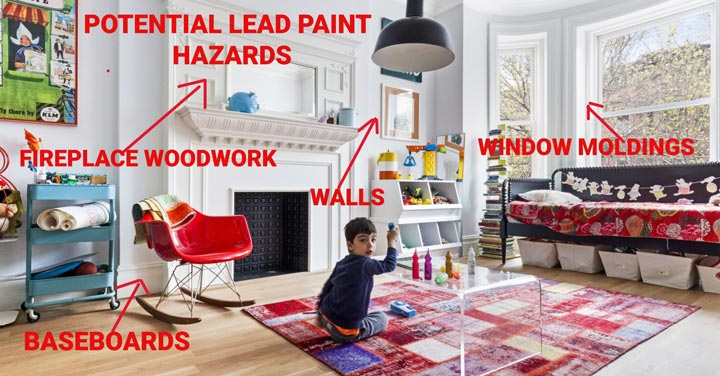
Lead was widely used in paint and plumbing fixtures before it was banned in 1978. Most homes and apartment buildings in New York City were built before the 1978 Federal ban. If you live in one of these older homes, there’s a strong chance that lead-based paint and lead in your water supply pipes and fixtures is still present. Many brownstones, apartments, and townhomes throughout the city still contain lead and their occupants, especially children, are at risk. The danger isn’t always obvious. In fact, the biggest risk often comes from something you can’t see or taste.
Falsehoods about Lead Exposure
- One of the myths regarding lead exposure is that this can only happen from peeling paint and children consuming paint chips. Microscopic particles of dust from lead painted surfaces are enough to cause elevated blood levels in individuals, which for children can have lifelong consequences
Lead can unknowingly be released into the living space in many ways
- Surfaces known as Friction Impact and Heated refers to items such as: Windows and
Doors, Handrails and Staircases. Radiators and Heat riser pipes. These surfaces, even through routine actions like opening and closing windows can release microscopic particles. - Water/Food: Drinking water from lead pipes or eating food stored in lead-glazed ceramics.
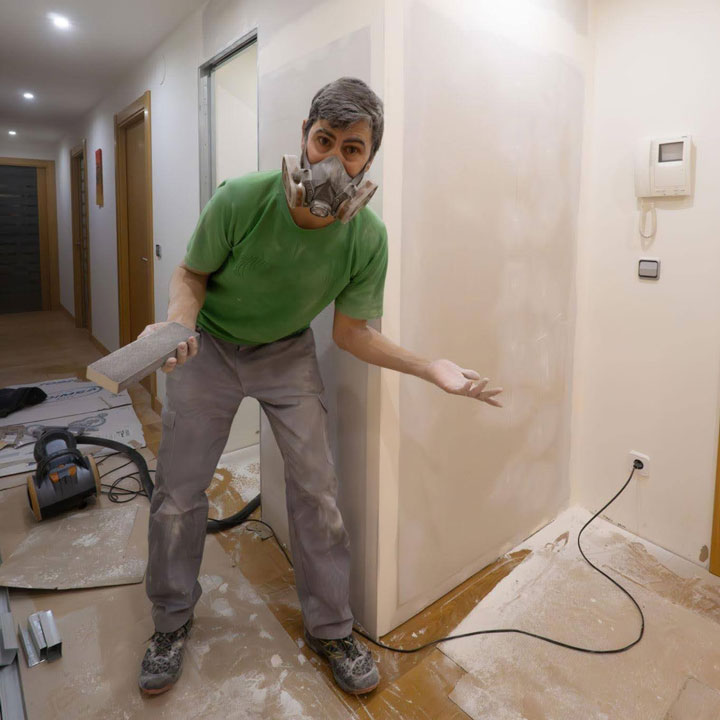
- Construction work can release significant amounts of lead dust into the living space. All affected surfaces should be tested for lead prior to construction and proper control methods need to be in place to protect occupants’ safety before work begins. Under no circumstances should surfaces containing lead paint be sanded, scraped or burned.
Why Lead Is Especially Dangerous for Children
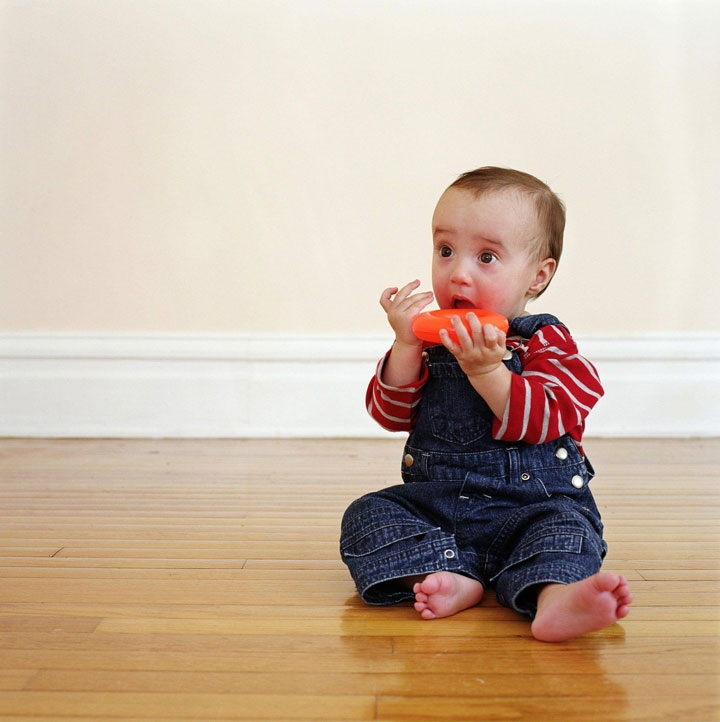
Young children are far more vulnerable to lead exposure than adults. Their developing brains and bodies absorb lead more easily, and even small amounts can have lasting effects.
Common health risks include:
- Developmental delays
- Learning and behavioral issues
- Lower IQ
- Speech and language problems
- Attention disorders
Children often encounter lead through normal behavior – crawling, touching surfaces, and putting their hands in their mouths.

The Risk During Renovations and Repairs
Renovations are one of the biggest triggers for lead exposure.
Sanding, scraping, or disturbing old painted surfaces can release large amounts of lead dust into the air.
Without proper containment and safety procedures, dust containing lead can spread throughout the home, putting the occupants at risk.
Why Professional Lead Testing Matters
The only way to truly know if lead is present is through professional XRF testing.

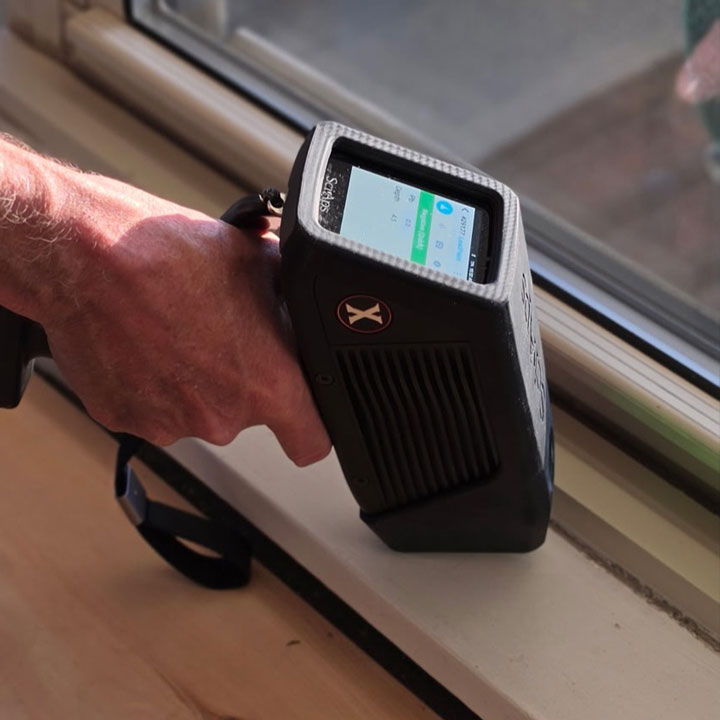
At Criterion Inspections, inspections are performed using advanced tools like XRF analyzers, which can detect lead beneath multiple paint layers without damaging surfaces.
Professional testing helps:
- Identify hidden lead hazards
- Provide clear documentation
- Guide safe next steps
- Protect your family with accurate information
For families living in older homes, especially in New York City, understanding the risks is the first step toward creating a safer environment. If you suspect lead may be present, testing isn’t just a precaution – it’s peace of mind.