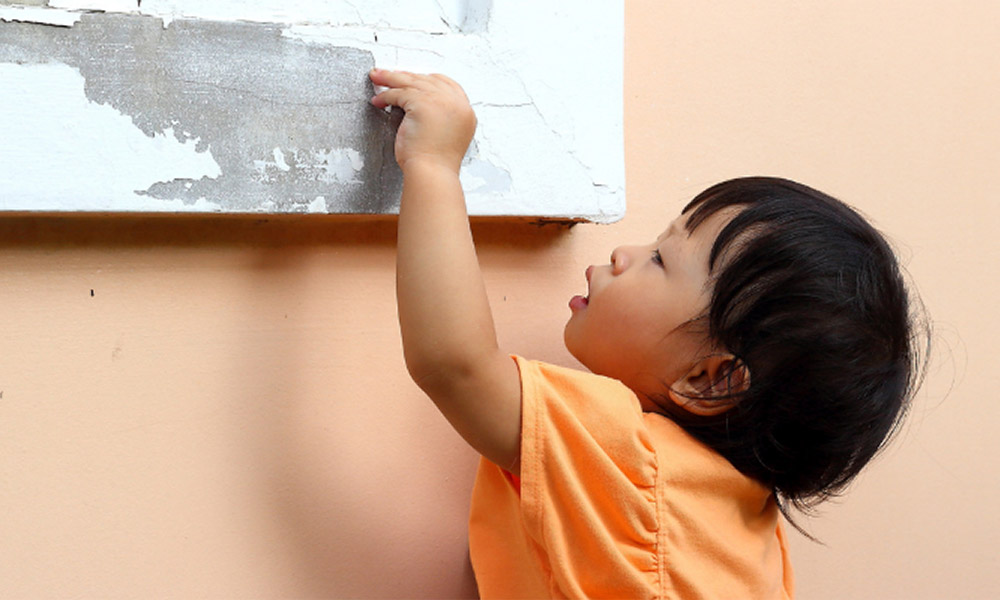
Baby proof your home from lead-based paint.
We provide XRF lead based testing that meets H.P.D. – H.U.D and E.P.A. standards.
Children are disproportionately affected by lead poisoning and are more vulnerable than adults to its effects. Lead-based paint was broadly used throughout the 20th Century in housing, though its poisonous effects were well known by the lead industry. Though lead-based paint was banned in 1978, the residue of lead and its poisonous effects are still around us. Even tiny amounts of lead, such as a sugar packet spread across a football field, can cause harm. Today, lead-based paint inspection is an important part of baby proofing to ensure a safe environment for children.
The Toxic History of Lead in America
The use of lead in paint and other products proliferated in the early 20th century due to its cost effectiveness and durability, yielding massive profits for companies like General Motors and Standard Oil, who lobbied to avoid regulations on using this poisonous substance. In the first half of the 20th Century, nearly 70% of a can of paint was made up of lead pigments. Dutch Boy Paint even created a marketing campaign claiming that its products were safe for use, while knowing otherwise. For decades, regulations were not implemented to curb lead use in industries because the problem was deemed too expensive to fix.
US Lead Poisoning — Documentary (2017)
This denial of the toxicity of lead resulted in the mass poisoning of a generation of children, with low-income and marginalized communities being predominantly affected. Some would say this widespread lead-poisoning is the crime of the century. This story has continued into the 21st Century in cities like Flint Michigan, where thousands of residents in the predominantly Black city were tragically exposed through outdated lead pipes in the city’s drinking water infrastructure.
How Exposure Happens
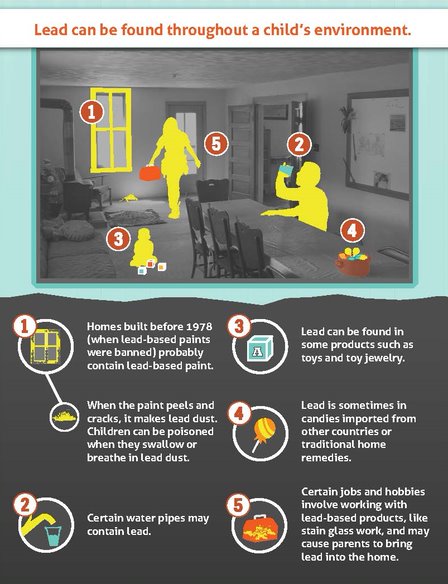
Because of the widespread use of lead-based paint in the recent past, we live in potentially hazardous environments that can poison adults and children, but to which children are much more susceptible. Due to hand-to-mouth behavior, children are disproportionately affected by lead in the home, with children under the age of 6 being especially vulnerable to lead poisoning because their nervous systems are still developing. Children and babies can be exposed through direct contact with lead-based paint and through contaminated dust. Peeling and damaged paint, areas where doors and windows stick or rub together, and painted surfaces, like window sills that children can chew on are common sites of exposure. If you believe your child has been exposed to lead contact your medical provider.
Lead has a naturally sweet taste that makes it especially tempting for children. Short term symptoms of lead poisoning include nausea, constipation, and fatigue. Long term side effects are much more serious including decreased cognitive functioning, fragile bone structure, hearing loss, memory loss, damage to the nervous system, and learning disabilities.
Stay Ahead of Lead

Hundreds of children are exposed to lead-based paint each year in New York City. Most of New York City’s housing was built pre-1978 before lead paint was banned. Children under the age of six are not recommended to spend more than 10 hours per week in an apartment that contains peeling or damaged paint. Any exposure to lead can lead to lifelong health issues. Unfortunately, there is no safe level of lead.
Lead-based paint inspection is now considered an important part of baby proofing. Environmental Protection Agency certified professionals at Criterion Home Inspections can assess your home for your peace of mind.